


PORT AU PRINCE, Haiti – The United Nations has released US$140.5 million in emergency funding to assist more than one million people in here , where over half the population now needs assistance as violence, hunger, and displacement push families to the brink.
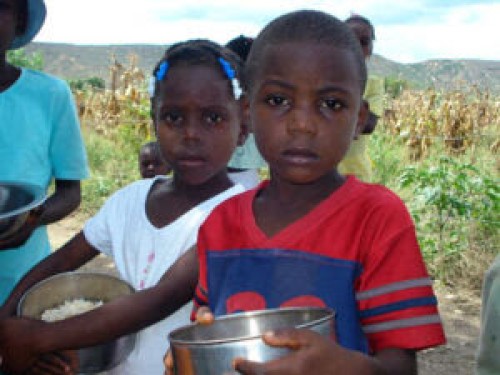 Humanitarian Coordinator Nicole Boni Kouassi stated, “This support will cover food aid, safe drinking water, healthcare and emergency shelter, alongside specialized services for the most vulnerable. This includes protecting women and children from abuse, medical and psychological care for rape survivors, treatment for malnourished children, and assistance for people with disabilities. Through the UN’s Global Emergency Fund (CERF), assistance will also help children remain in school.”
The allocation will prioritize the most affected areas, identified through a rigorous analysis. To enable humanitarian workers to access these areas, the funding will also support the Humanitarian Air Service and logistical operations.
Haiti is facing a deepening humanitarian crisis. An estimated 6.4 million people are in need of humanitarian assistance, while nearly 6 million are on the brink of famine.
Escalating violence has displaced nearly 1.5 million people, half of them in the last 18 months alone. This funding provides urgent assistance and strengthens the 2026 Response Plan, which requires $880 million to address the crisis.
The funding includes a $121.5 million allocation from the Humanitarian Fund for Haiti, a $10 million allocation from the CERF for underfunded emergencies, and a $9 million allocation from the CERF to support humanitarian air services. These two funds are managed by the United Nations Office for the Coordination of Humanitarian Affairs (OCHA).
The three allocations are complementary and closely coordinated with other humanitarian actions and funding sources. While the regional allocation focuses on the 26 communes with the greatest needs across six priority sectors, the CERF allocation for underfunded emergencies supports education, assistance to women and girls who are victims of violence, and civil documentation to help people access basic services.
Funding decisions are based on a risk-informed analysis of the context and security conditions. Assistance is carefully tailored at the commune level to ensure safe and responsible delivery, with enhanced safeguards applied where necessary to uphold humanitarian principles and the commitment to do no harm.
“On behalf of the humanitarian community in Haiti, I would like to thank all donors who have contributed to OCHA’s pooled funds, including the United States and Canada, which have supported both the regional fund and CERF in 2026, as well as other leading CERF donors, including the Netherlands, the United Kingdom, Norway and Denmark,” Kouassi said.

