


NASSAU, Bahamas – The United States Ambassador to The Bahamas, Herschel Walker, is urging the government to rethink its decision to go ahead with a multi-million-dollar loan agreement for the construction of a new hospital in western New Providence.
 “It would be better to look at other financing options that adhere to international norms. President Trump believes in fair deals that benefit both nations, and the United States is committed to being the economic and security partner of choice,” Walker said in a statement.
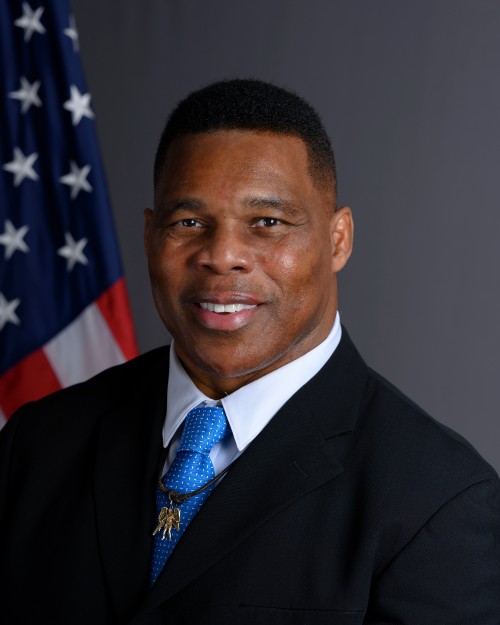
United States Ambassador to The Bahamas, Herschel Walker (File Photo)
“We stand ready to work with The Bahamas to help secure a better deal—whether from private or public sources – to provide the healthcare infrastructure Bahamians deserve,” he added.
Earlier this week, Health and Wellness Minister, Dr. Michael Darville, confirmed that as part of its loan agreement with China’s Export-Import Bank, there is a stipulation for a 50-50 Bahamian to foreign construction worker ratio
But in his statement urging the government to reconsider the loan, Walker said “it doesn’t appear to be in the best interests of The Bahamas to submit to Chinese law and labour standards on their own soil”.
The United States Department of Treasury Office of Foreign Assets Control placed China Railway Construction Corporation. Ltd., the main contractor for the planned hospital, on its restricted investment list due its links to China’s military-industrial complex.
Last year, the government signed an agreement to borrow US$195 million from the China Export-Import Bank to cover 73 per cent funding of the 200-bed hospital with the remainder of the funds being provided by the Ministry of Finance.
A feasibility study for the hospital, tabled in the House of Assembly this week indicates that the Phillip Davis government is examining the possibility of financing public hospital or tertiary-level healthcare in the country through the introduction, and levying of, National Health Insurance (NHI) contributions.
The March 2025 report described the reliance on escalating taxpayer subsidies from the Public Hospitals Authority (PHA) as not viable, and that the annual “cumulative net cash flow” for the 50-acre Perpall Tract facility “is unsustainable with the current economic model

