


BRIDGETOWN, Barbados – The regional advisor on Perinatal and Neonatal Health at the Pan American Health Organization (PAHO), Pablo Durán, says significant challenges remain in terms of the coverage, quality, and equity in access to neonatal screening and early diagnosis in Latin America and the Caribbean (LAC).
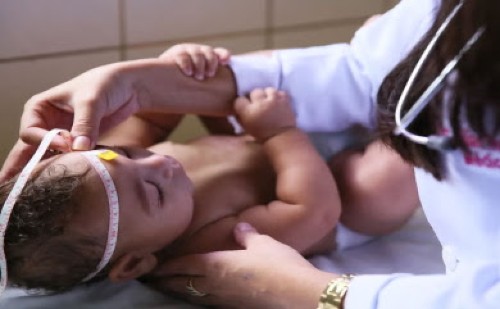 The global community Tuesday is observing World Birth Defects Day, and Duran said social, economic, and geographic gaps directly influence the timeliness of diagnosis and continuity of care in the LAC.
He said expanding screening coverage and ensuring access to specialised services remain priorities.
“It is also essential to adopt a comprehensive perspective: addressing environmental factors, strengthening prevention before and during pregnancy, and ensuring service networks that enable antenatal diagnosis, timely referral, and rapid response to conditions such as congenital heart defects or spina bifida.”
PAHO said that World Birth Defects Day provides an opportunity to raise awareness about a group of conditions that remain one of the leading causes of neonatal mortality and childhood disability in the Region of the Americas.
It said although many can be prevented or treated, thousands of families each year face diagnoses that require specialized care, continuous follow-up, and comprehensive support.
World Birth Defects is being observed under the theme “Every journey matters,” and Duran said PAHO is highlighting that these conditions affect not only those born with them, but also their families and communities, and underscores the importance of strengthening prevention and timely access to quality health services.
Duran said PAHO has developed the Birth Defects Repository for the Americas and that it consolidates data reported by national surveillance systems in Latin America and the Caribbean, many of which have decades of experience monitoring birth defects.
“Today, more than 15 countries have surveillance programmes in place, with varying levels of coverage, and others are advancing with technical support from PAHO,” he said, adding that the tool improves comparability between countries, helps identify trends and gaps, and strengthens evidence-based decision-making.
“Having timely, high-quality information is essential to guide resource allocation, plan services, and prioritize interventions—especially for conditions that can be treated after birth, such as certain congenital heart defects or neurometabolic disorders.”
Duran said that PAHO is also supporting countries by generating evidence, providing technical cooperation and training, and assisting in the development of public policies aimed at prevention, early detection, and comprehensive care.
He said many of these actions do not require complex or costly interventions, noting that “significant progress can be achieved through primary health care, particularly in preconception and prenatal care, and this is where PAHO works closely with countries.
“We also promote a comprehensive approach that combines prevention, timely diagnosis, access to specialized treatment, and continuous follow-up, with an emphasis on equity and without stigmatisation. Because behind every diagnosis there is a family that needs support and quality services.”
The senior PAHO official said that 2016-17 Zika epidemic highlighted the importance of having coordinated surveillance systems capable of detecting unusual increases in specific congenital anomalies at an early stage.
It also underscored the need to integrate epidemiological surveillance with clinical care and long-term follow-up of affected children, reinforcing a life-course approach, he said.
PAHO notes that although the Region of the Americas has made significant progress in reducing neonatal mortality, from 12.9 deaths per 1,000 live births in 2000 to 7.1 in 2023, deaths due to congenital malformations have not declined at the same pace.
“Today we know that more than 20,000 newborns die each year from birth defects in the Region, and that nearly 22per cent of deaths in the first month of life are associated with these conditions. As we gain control over other preventable causes, such as infections or complications during childbirth, congenital anomalies account for a greater relative share of neonatal mortality,” PAHO added.

