


WASHINGTON, DC – On World Blood Donor Day on Sunday, the Pan American Health Organisation (PAHO) is reiterating its call to strengthen voluntary, regular, and unpaid blood donation across the Americas, including the Caribbean, as the foundation for ensuring timely access to safe, sufficient and accessible blood.
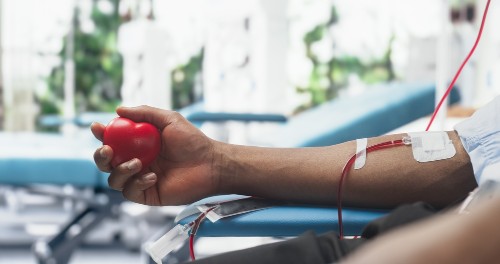 PAHO said this year’s campaign is held under the theme “One Drop of Humanity. Give Blood. Save Lives”, highlighting the value of each donation as an act of solidarity that helps save lives and strengthen health systems.
“Every donation is an act of solidarity that saves lives,” said PAHO Director Dr. Jarbas Barbosa. “Equitable access to safe blood depends largely on having voluntary, regular donors who can help meet health service needs in a timely manner.”
Currently, PAHO said just over half of blood donations in the region – about 51.5 per cent – come from voluntary unpaid donors.
PAHO said the remainder largely consists of family/replacement donors, which limits the availability of a sufficient, stable and predictable blood supply.
Although the region has made progress in recent years, PAHO said data show significant differences in blood availability among countries, as well as ongoing challenges in achieving sustainable national blood systems.
On average, PAHO said there are about 15 donations per 1,000 population, below the levels needed to achieve self-sufficiency in many countries.
PAHO said increasing voluntary –particularly regular – donation is key to ensuring safer, more sustainable, and more responsive national blood systems.
“Blood transfusions are essential for emergency care, complicated childbirth, surgical procedures, and the treatment of chronic conditions,” PAHO said. “However, reliance on family/replacement donors, while addressing immediate needs, does not ensure a continuous supply or allow for adequate planning of services.”
In contrast, PAHO said countries that have established systems based on voluntary, repeat donors achieve a more stable supply, reduce transfusion risks, and strengthen the resilience of their health systems.
Dr. Barbosa noted that health systems face the challenge of ensuring access to safe blood at all times, including during emergencies and disasters.
“Overcoming these gaps requires strengthening public policies and programs that promote voluntary, unpaid blood donation,” he said.
PAHO has thanked those who donate regularly, and calls on more people to join this effort.
“Donating blood is one of the simplest and most effective ways to save lives,” Dr. Barbosa added.
PAHO urged countries in the region to continue promoting strategies that facilitate voluntary unpaid blood donation, strengthen national blood programs and blood services, and help ensure equitable and safe access for all.

