


GEORGETOWN, Guyana – Members of the nursing profession are meeting here until Friday amid concerns that across the Caribbean region, the health systems face tremendous problem.
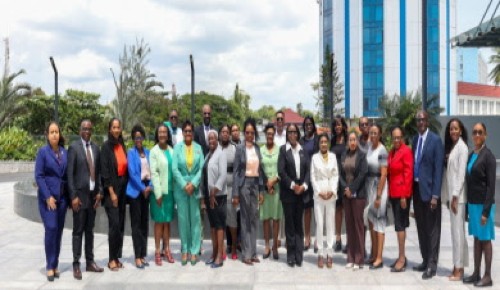 “We meet at a defining moment,” said the Chief Nursing Officer of Barbados, Annastacia Jordan, who is chairing the 53rd meeting of the Regional Nursing Body (RNB).
She told her colleagues that “across the Caribbean, our health systems face pressures evolving faster than our capacity to absorb them: workforce shortages, migration, demographic change, the rising burden of chronic disease and the growing frequency of natural disasters.
“Yet against all of it stands one unwavering constant: the resilience and the leadership of the nurses and midwives of this region,” Jordan said, expressed pleasure at the heightened level of visibility the profession is receiving.
“The voices of nurses and midwives are now heard at the tables where major decisions are made and are recognized, not simply as providers of care, but as leaders, researchers and architects of health system transformation,” Jordan said, recognising the support and solidarity “within our regional family” in times of natural disasters and emergencies, as well as the strong partnerships that have been forged to support the work of the RNB.
The meeting is being held under the theme “Bridging Divides, Driving Reform: Caribbean Nursing and Midwifery at the Forefront of Change.”
Director, Human Development at the Guyana-based Caribbean Community (CARICOM) Secretariat, Helen Royer, also spoke of the value of nurses and midwives, who constitute the largest component of the health workforce globally.
She hailed their essential role as caregivers, but also pointed to their roles as leaders, educators, researchers, innovators, and advocates.
“Their expertise is critical to health policy development, health service delivery, and achievement of better health outcomes for our people,” she said, noting the significant strides the RNB has made over the years but called for greater emphasis to be placed on implementation.
“Good policies, sound recommendations, and well-crafted strategic plans can only make a difference when they are translated into action. Our collective responsibility, therefore, is to ensure that the outcomes of this meeting are practical, measurable, and capable of advancing nursing and midwifery at both the regional and national levels,” she said.
The RNB will be discussing a wide range of issues during the meeting including strengthening the regulatory capacity of nursing and midwifery councils in CARICOM; the development of guidelines to define nurse to patient ratios, and midwife to patient ratios; and harmonising midwifery education, training and regulation in the Community.
It will also deliberate on partnerships, the future of nursing and nursing leadership in the CARICOM; matters related to education standards in the nursing profession; disaster preparedness and response.

