


WASHINGTON, DC – Health ministers from the Caribbean and the wider region have been told that nearly 40 per cent of the total disease burden in the Americas could potentially be avoided through more effective prevention, timely diagnosis and treatment, and stronger health systems.
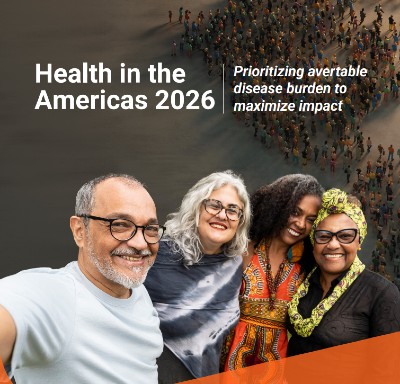 According to the latest edition of Health in the Americas presented by the Pan American Health Organization (PAHO) during its 63rd Directing Council, people across the region are living longer than ever, but not necessarily healthier lives.
The report notes that life expectancy reached 77.1 years in 2023, exceeding pre-pandemic levels. Between 2000 and 2023, it increased by nearly four years, while healthy life expectancy increased by only around a year and a half.
“The findings are compelling. Nearly 40 per cent of the region’s total disease burden is potentially avertable,” said PAHO director, Dr. Jarbas Barbosa.
“Much of this burden stems from cardiovascular diseases, diabetes and kidney diseases, maternal and neonatal disorders, violence and injuries, substance use disorders, and respiratory infections, including tuberculosis. Effective prevention and timely, quality care can prevent much of the illness, disability, and premature death associated with these conditions.”
PAHO said that the estimate of potentially avertable disease burden is based on health outcomes already achieved in countries within the region, showing that substantial additional health gains are possible with existing knowledge, technologies, and interventions.
The analysis shows that the burden of disease across the Americas is increasingly shaped by chronic illnesses and disability. Cardiovascular diseases, diabetes, cancer, mental health conditions, and other chronic illnesses account for a growing share of health loss across the region.
Many of these conditions are linked to preventable or modifiable risk factors such as high blood pressure, high blood sugar, unhealthy diets, physical inactivity, tobacco and alcohol use, and environmental risks including air pollution.
According to the report, countries with similar levels of resources often achieve very different health outcomes. This suggests that health gains depend not only on how much countries spend on health, but also on how effectively resources are allocated and services are delivered.
The challenge, the report finds, is not simply to identify effective interventions, but to ensure that proven solutions reach people at scale—through strong primary health care, well-designed health services and more strategic use of available resources.
Health in the Americas 2026 report identifies five areas where countries can focus action:
Strengthen primary health care to ensure access to routine screening, diagnosis, treatment and follow-up for cardiovascular disease, diabetes, cancer and other major conditions, while addressing the biggest causes of ill health – high blood pressure and blood sugar, unhealthy diets, physical inactivity, tobacco and alcohol use, air pollution and other environmental risks.
It is urging countries to prioritise and fund high-impact health services, translating evidence into affordable, implementable service packages backed by health workers, medicines, diagnostics and referral systems to ensure priority health services are available and delivered effectively.
Countries should also target the greatest gaps using national data to identify where disease burden is highest and where improvements are most achievable, particularly among populations facing barriers related to income, geography, education and access to care.
In addition PAHO is urging that countries act across sectors to address the wider drivers of health, including tobacco and alcohol use, food environments, physical activity, air pollution, road safety, violence, water and sanitation, climate-related risks and social protection.
Could also strengthen accountability and collaborate across countries to implement priority actions, share practical solutions and learn from what works.
The report comes as health systems across the Americas face a changing demographic and epidemiological landscape, including population aging, declining fertility, migration and an increasing burden of chronic and disabling conditions.
At the same time, important gaps in access and financial protection persist. Out-of-pocket spending accounts for nearly one-third of current health expenditure in the region, highlighting the need to advance universal health coverage and protect people from financial hardship due to health costs.
For PAHO, the findings reinforce the importance of building health systems centered on primary health care and ensuring that health investments are directed toward interventions that deliver the greatest impact.
“We know what works. The evidence is clear, and the opportunity is significant,” Dr. Barbosa said, adding the challenge is translating evidence into action amid fiscal pressures while delivering quality care at scale.”

