


WASHINGTON, DC – The Director of the Pan American Health Organization (PAHO), Dr. Jarbas Barbosa, presented his annual report to the 63rd Directing Council highlighting important health gains across Latin America and the Caribbean despite a complex public health environment and increasing financial constraints.
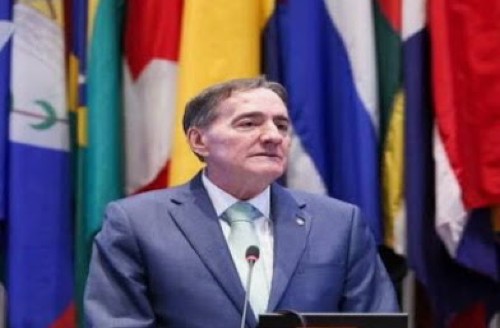 Dr. Jarbas BarbosaCovering the period from July 2025 through June 2026, the report highlights progress in disease elimination, health security, immunization, maternal health, primary health care, access to essential medicines and health technologies, and the use of innovation to expand access to health services.
“These achievements show what is possible when we work together and why we must continue to build on that progress,” said Dr Barbosa.
The report showed that over the past year, countries and territories achieved important disease elimination milestones. Brazil and The Bahamas were validated as having eliminated mother-to-child transmission of HIV.
Turks and Caicos Islands received certification for the elimination of mother-to-child transmission of HIV and became the first territory in the Americas to validate the elimination of mother-to-child transmission of hepatitis B.
“These milestones demonstrate what can be accomplished through sustained national commitment, with PAHO’s support,” Dr. Barbosa said.
The report also underscores the fragility of hard-won public health gains. During the reporting period, the region lost its measles-free status after sustained transmission was reestablished in Canada.
Yellow fever outbreaks in several countries, together with declining measles vaccination coverage, also highlighted the risk of setbacks against vaccine-preventable diseases.
Health security remained a central pillar of PAHO’s work. The Organization mobilized 174 tons of essential supplies to help countries prepare for and respond to disasters, complex humanitarian emergencies and disease outbreaks, and deployed experts and coordinated emergency medical teams during health emergencies.
PAHO’s surveillance systems also analysed more than 2.2 million signals related to potential public health events, supporting early detection and rapid response across the region.
Immunisation also continued to recover from declines experienced before and during the COVID-19 pandemic. The number of unvaccinated children under one year old fell from 1.3 million to 1.1 million.
However, declining measles vaccination coverage demonstrated the need to further strengthen routine immunization programs and increase vaccine uptake through effective communication and public education.
Reducing preventable maternal deaths remained a priority across the region. Of the 12 countries receiving targeted PAHO support, 10 recorded declines in maternal mortality ratios during the reporting period.
Stronger surveillance systems, supportive policies, improvements in primary health care, and a strengthened health workforce contributed to these gains.
The report indicated that PAHO expanded its work to prevent and control noncommunicable diseases, with primary health care continuing to serve as the foundation for prevention, early diagnosis and integrated care.
By the end of the reporting period, PAHO’s HEARTS initiative was being implemented in more than 14,000 primary health care centers, reaching an estimated 50 million adults. The number of patients receiving treatment for hypertension increased by more than 20% in one year, from 5.7 million in 2025 to 6.9 million in 2026.
The growing burden of mental health conditions also prompted new action, including the launch of PAHO’s Regional Suicide Prevention Initiative, which seeks to strengthen national policies and programs through multisectoral action tailored to countries’ needs and contexts.
PAHO’s Regional Revolving Funds continued to demonstrate the value of regional solidarity in improving equitable access to essential medicines and health technologies, supporting the procurement of more than 214 million vaccine doses, over 10 million diagnostic tests and more than 1 million treatments.
The Funds also expanded their portfolio to include new high-price medicines, including treatments for breast and prostate cancer, multiple sclerosis and rare diseases. Through pooled procurement, countries were able to achieve significant price reductions.
Innovation also contributed to progress across multiple areas of health. With PAHO’s technical cooperation, countries expanded the use of digital tools and adopted new approaches to address persistent public health challenges.
More than 780 telehealth kits were distributed to 20 countries, bringing diagnosis, monitoring and clinical follow-up closer to populations that have historically faced barriers to access.
During the reporting period, PAHO signed a landmark agreement with a global influenza vaccine manufacturer to secure a share of pandemic influenza vaccine production for countries in Latin America and the Caribbean. The agreement will support access to vaccines amid surging global demand in the event of a future pandemic.
In parallel, PAHO reached a technology transfer agreement to strengthen regional production of seasonal influenza vaccines using cell-based platforms, helping modernize regional vaccine manufacturing and reduce dependence on external suppliers.
“The achievements of the past year reflect the strength of our partnership with Member States and the power of regional solidarity. Despite growing financial constraints, PAHO has once again demonstrated the resilience, adaptability, and leadership that have defined this Organization for more than 120 years,” Dr. Barbosa said.
The report also highlights the challenges that remain, including aging populations, the growing burden of noncommunicable diseases, emerging and reemerging health threats, climate-related emergencies and persistent inequities.
“Our work is far from finished. Addressing these challenges will require sustained investment, stronger collaboration, and an unwavering commitment to solidarity,” Dr. Barbosa added.

