


By
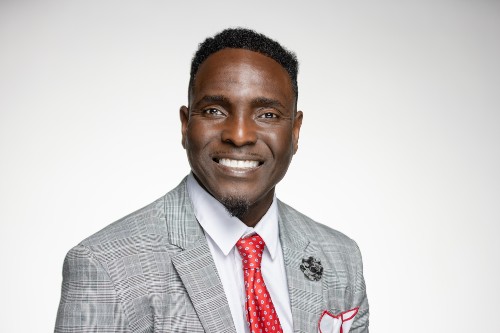
Lixon Nelson, Co-Founder and Executive Director, Alliance Community & Employment Services (ACES)
FYI
Affichages : 5560
Every Child Deserves a Pathway to Success: Why Inclusion Must Be Part of Our Back-to-School Conversation
By
Lixon Nelson, Co-Founder and Executive Director, Alliance Community & Employment Services (ACES)
FYI
Affichages : 5560
As families across South Florida prepare for another school year, much of the conversation centers on backpacks, school supplies, schedules, transportation, and getting children ready for the classroom.
 But for families raising children and young adults with intellectual and developmental disabilities, preparing for a new school year can be much more complex.
Parents and caregivers may be navigating Individualized Education Programs (IEPs), 504 Plans, accommodations, therapies, and communication with educators. They may also be asking difficult questions about what happens after high school. Young people, meanwhile, may be learning to advocate for themselves while confronting assumptions about what they can accomplish.
For many families, the challenge is not a lack of determination. It is knowing where to find information, resources, and support.
That is why inclusion must be more than a word. It must be reflected in the opportunities we create.
At Alliance Community & Employment Services (ACES), we work with individuals with disabilities and underserved community members to create pathways to employment, education, independence, and meaningful participation in their communities. Through this work, I have seen tremendous potential, but I have also seen the barriers that can stand between individuals and opportunity.
Too often, families are expected to navigate complex educational, employment, and social service systems largely on their own. A parent may not know what questions to ask at a school meeting. A student may not realize that learning to speak up for themselves is an important life skill. A young adult may graduate without a clear pathway to employment, higher education, or greater independence.
These challenges can be especially significant in culturally diverse communities like South Florida, including our Caribbean and immigrant families, where language barriers, cultural differences, or unfamiliarity with available systems and services can create additional barriers.
We can do better.
Empowerment Begins With Information
One of the most powerful things we can give a family is knowledge.
Parents need to understand their rights and how to advocate effectively for their children. Students need opportunities to build confidence, resilience, and leadership skills. Educators and professionals need resources to create environments where students of different abilities can participate and succeed.
Young people with disabilities also need to see people who have faced challenges, overcome barriers, and built meaningful careers and lives.
Representation matters because expectations matter.
When young people continually hear what they cannot do, those messages can become limitations. But when they meet entrepreneurs, authors, advocates, and professionals with disabilities who are succeeding, the conversation shifts from “Can I?” to “How can I?”
That shift can be transformational.
Preparing for Life Beyond the Classroom
Our responsibility cannot end with helping students graduate.
We must prepare young people for what comes next. Employment readiness, higher education, self-advocacy, communication, independence, and leadership development should all be part of the broader conversation about preparing young people with disabilities for adulthood.
Employers also have an important role.
Individuals with disabilities bring talent, creativity, resilience, and valuable perspectives to the workplace. Creating inclusive employment opportunities is not merely an act of goodwill; it strengthens our workforce and our communities.
When employers, educators, nonprofits, families, and government agencies collaborate, we can build stronger bridges between education and employment and between dependence and greater independence.
Community Must Be Part of the Solution
No organization can accomplish this work alone.
That is why ACES is hosting the Leaders with a Destiny Summit on Saturday, August 8, from 11 a.m. to 3 p.m. at Miami Dade College North Campus.
This free community summit will bring together youth, families, educators, disability advocates, employers, and community organizations for conversations on self-advocacy, education, resilience, leadership, employment readiness, and pathways to independence.
National speakers and disability advocates will share their experiences, and breakout sessions will offer practical information for parents, caregivers, educators, and individuals with disabilities. Families can also connect directly with organizations and services at a community resource fair. A complimentary lunch, a backpack, and a school-supply giveaway will also be provided.
But the larger purpose extends beyond a single event. We want families to leave knowing they have a community standing with them.
A Disability Should Never Define a Destiny
Every child deserves to enter a classroom believing a future awaits them. Every parent deserves access to information that helps them advocate for their child. And every young adult deserves an opportunity to pursue education, employment, independence, and purpose.
As we prepare our children for another school year, let us look beyond backpacks, books and first-day photographs. Let us ask whether every child has the support, encouragement and opportunities needed to succeed.
At ACES, we believe every person has value, potential and purpose.
Our job as a community is not to determine how far someone with a disability can go.
Our job is to make sure they have a pathway to get there.
Lixon Nelson is Co-Founder and Executive Director of Alliance Community & Employment Services (ACES), a South Florida organization that supports individuals with disabilities and underserved communities through employment, education, mental health services, advocacy, and personalized guidance.
ACES will host its Leaders with a Destiny Summit on Saturday, August 8, 2026, from 11:00 a.m. to 3:00 p.m. at Miami Dade College North Campus, 11380 NW 27th Avenue, Miami, FL 33167. The event is free and open to the public, and advance registration is available through Eventbrite Registration.
Designed for children, youth, and young adults with intellectual and developmental disabilities (IDD), the summit will provide families with practical tools and resources to help navigate the transition back to school. Through expert presentations, interactive discussions, and community partnerships, attendees will gain valuable information on educational advocacy, self-advocacy, employment readiness, leadership development, and pathways to greater independence.

