


UN's HDR Team Looks to Jamaica For Climate Crisis Insights Following Hurricane Melissa
KINGSTON, Jamaica – Insights from Jamaica’s catastrophic experience with Hurricane Melissa last October will help inform the 2026 edition of the global Human Development Report (HDR), the United Nations Development Programme (UNDP) has said.
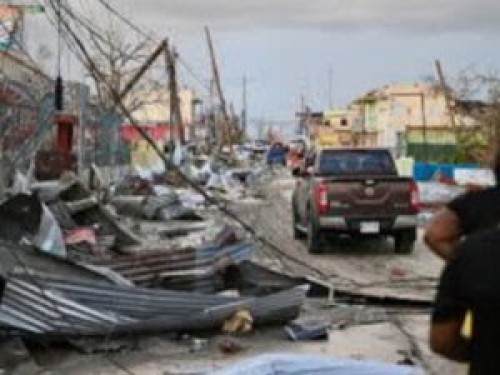 Damage caused by the passage of Hurricane Melissa in Jamaica last October (File Photo)The Director General of the Planning Institute of Jamaica (PIOJ), Dr. Wayne Henry, said that total damage and losses associated with the passage of Hurricane Melissa are estimated at US$12.2 billion, a figure which is equivalent to 56.7 per cent of Jamaica’s 2024 gross domestic product (GDP)
It said that it had convened a “landmark consultation” in partnership with the University of the West Indies (UWI) and that the UNDPs global HDR team is looking to Small Island Developing States (SIDS) like Jamaica for insights on how the planetary crisis is reshaping social vulnerability and human development.
The UNDP said that qualitative data and strategic recommendations were collected during the recent “Consultation and Thought Leaders Dialogue” and that UWI and UNDP intend to channel the findings of the dialogue into the design of the 2026 HDR.
“The 2026 HDR, still in development, aims to ensure the inclusion of reflections and voices from the frontlines, examining ways the accelerating planetary emergency is redefining the future of development in contexts like Jamaica, looking to the specific case of Hurricane Melissa,” said UNDP Resident Representative, Dr Khoday, who was among the speakers at the consultation.
He said the dialogue presented a timely opportunity to reflect on how to better align development with planetary health, aiming to move beyond crisis to actions that ensure both people and the planet can thrive together.
“This includes measures to move from diagnosis to action, and to implement findings of the upcoming HDR, through guidance of a new UNDP Global Task Force on Nature and Human Development which I serve as a member,” Dr. Khoday added.
The Global Director at the UNDP Human Development Report Office, Dr. Pedro Conceicao, said that the 2026 HDR will craft an aspirational approach to climate resilience, exploring how to reconnect people to nature.
He said the report will unveil a new Nature-Relationship Index (NRI), which moves beyond tracking environmental harm alone, to assessing human–nature relationships as a core dimension of development. Aligned to the NRI analysis, the HDR will identify strategies to ensure that people and planet thrive together.
Dean of the UWI Faculty of Science and Technology and Chair of the UWI Climate Group, Professor Michael Taylor, said climate action and development policy should go beyond convention to adopt more aspirational approaches that embed nature and resilience, especially following the passage of Hurricane Melissa.
Professor Taylor said to achieve this objective, it was important to build on what he called this unique and important window of opportunity to foster systemic change in development.
The UNDP said that the Thought Leaders Dialogue also included an overview of issues to be addressed in the upcoming 2026 HDR, one of the world’s foremost independent, annual publication on human development commissioned by the UNDP since 1990.
It said the 2026 edition will examine how planetary pressures intersect with health, education, livelihoods, and well-being, and asks how societies can cultivate more constructive, mutually beneficial relationships between people and nature.

