


QUITO, Ecuador – The Latin American and Caribbean Energy Organization (OLACDE) says Latin America and the Caribbean (LAC) countries have increased both oil and natural gas production at a time when tensions in the Middle East are heightening uncertainty over global hydrocarbon supplies and contributing to volatility in international markets.
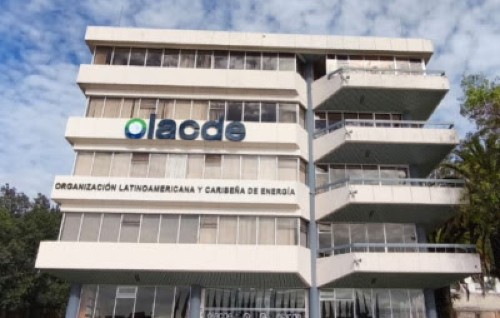 OLACDE in its latest monthly report, said that in March this year, the region produced 324 million barrels of oil and 22 billion m³ of natural gas and that nearly half of the region’s gas imports are already supplied through intraregional trade, strengthening energy security amid growing global supply risks.
According to OLACDE, the region’s production capacity and intraregional trade are becoming increasingly important factors in safeguarding energy security amid a volatile international environment.
It noted that the nine per cent oil production had been driven by Brazil and Mexico compared with March last year and a 1.3 per cent rise from February 2026. Brazil, Mexico, and Venezuela together accounted for 69 per cent of total regional production, with Guyana, Argentina, Colombia and Ecuador being among the other key contributors.
In terms of trade, 53 per cent of LAC’s total oil imports came from intraregional trade. By contrast, only 12 per cent of the total value of oil exports was destined for other Latin American and Caribbean countries, with the majority shipped to markets outside the region.
OLACDE said that regional natural gas production reached 22 billion m³ in March, representing a five per cent year-on-year growth and a similar increase compared with February.
It said that this growth is particularly significant amid attacks on energy infrastructure and geopolitical tensions affecting strategic areas such as the Strait of Hormuz.
Argentina with 23 per cent, followed by Trinidad and Tobago with 21 per cent and Brazil with 15 per cent were the main gas producers followed by Bolivia and Mexico.
“Interdependence is even more pronounced in the natural gas sector: 49 per cent of the total value of gas imports came directly from producers within Latin America and the Caribbean, reducing external dependencies and strengthening regional security of supply.
OLACDE said that the results demonstrate that the region’s challenge goes beyond increasing production.
“It also requires improving infrastructure, fostering trade, and advancing effective regional integration to connect available energy resources with the markets where these supplies are most needed,” it added.

