

Fort Lauderdale, FL - Most remittance platforms move money. GroceryList moves goods.
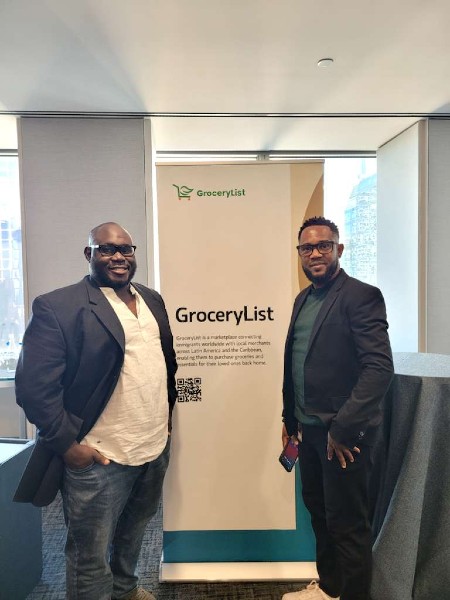 The U.S.-based startup quietly crossed US$2.7 million in revenue last year, reaching profitability by enabling immigrants abroad to purchase essentials from trusted local merchants for their families back home, delivered the same day.
What looks like a grocery delivery app is, in practice, a logistics and payments infrastructure built for markets where retail, addressing, inventory visibility, and last-mile coordination are highly fragmented.
GroceryList connects diaspora customers in the U.S., Canada, and the U.K. to 1,200+ local merchants across Jamaica. And it’s no longer just groceries.
Customers use the platform to purchase:
- Groceries & fresh produce
- Hardware supplies
- Farm store items
- Pharmacy items
- Cooking gas
- Bill payments
- Wholesale club shopping
- Restaurant meals
- Pet store supplies
All fulfilled locally and delivered rapidly through GroceryList’s shopper and driver network.
“We didn’t set out to build a delivery app. We built the rails that turn diaspora support into real goods on a table within hours,” said Jermain Morgan, COO & Co-Founder of GroceryList. “Cross-border love is predictable. The infrastructure to serve it just didn’t exist.”
A different take on remittance
Remittances into the Caribbean total billions annually, but how that money becomes food, supplies, or household essentials is still largely offline and inefficient.
GroceryList flips that model. Families abroad don’t send cash and hope for the best they choose the exact items their loved ones need and see them delivered in real time.
“Diaspora families don’t just want to send money. They want to solve problems immediately,” said Rory Richards, CEO & Co-Founder of GroceryList. “If a parent needs groceries, gas, medication, or even hardware supplies today, GroceryList makes that happen the same day. That’s a very different value than a wire transfer.”
Built where traditional e-commerce struggles
Large e-commerce players typically fail in smaller island markets due to inconsistent addresses, informal retail networks, and logistics gaps. GroceryList leaned into that complexity, building its own merchant onboarding, wallet flows, shopper network, and last-mile coordination layer.
That same infrastructure is now used by hotels, supermarkets, and wholesalers to source produce and goods through GroceryList’s B2B network.
Regional partners include PriceSmart, Progressive Grocers, Lillian LTD, alongside hundreds of independent merchants.
What comes next
With profitability achieved, GroceryList is expanding into additional Caribbean markets while deepening its role as a diaspora commerce platform that brings groceries, pharmacy, hardware, bill pay, gas, wholesale, restaurants, and pet supplies all in one place.
The broader thesis: remittance isn’t fintech. It’s commerce, logistics, and local economic activation wrapped into one.

